
Australian Shepherd – Temperament, Personality Traits & More
•Posted on March 27 2021
Last updated on April 19 2026


Believe it or not, the Australian Shepherd is not actually an Aussie! This medium sized dog breed falls under the working dog category.
Australian Shepherds are highly intelligent, energetic, and loyal working dogs originally bred in the United States to herd livestock. Despite their name, the breed has a historical connection to Australia through the Basque shepherds who traveled via Australia before settling in the United States, where the breed was truly developed.
Originally bred for herding livestock, the Aussie Shepherd dates back to the 1840s in the western United States. Basque people from southwestern France and the Pyrenees of northeastern Spain travelled to the western United States to herd sheep, and they brought dogs with them.
The breed is recognised and promoted by major breed clubs such as the American Kennel Club, the Australian Shepherd Club of America, and other kennel and breed clubs dedicated to maintaining breed standards and supporting breed-related activities.
They derive from the English Shepherd, with a life expectancy of between 12 and 14 years. Australian Shepherds typically live 12–15 years. They're also closely related to the Border Collie, which is probably why they're so often mistaken for them.
Australian Shepherds are known for their intelligence, loyalty, and energetic nature, often described as 'velcro dogs' due to their strong attachment to their owners. As a loyal dog and an athletic breed, the Australian Shepherd is devoted to its family and excels in agility, herding, and other physically demanding activities.

Introduction to the Breed
The Australian Shepherd is a standout among working dogs, celebrated for its remarkable intelligence, boundless energy, and adaptability. Despite its name, this versatile breed was actually developed in the United States, where it became a staple on ranches and farms. The Australian Shepherd Club highlights them as being highly intelligent and eager to please, making them a perfect match for active owners who can provide the mental stimulation they crave.
With an athletic build and striking appearance, Aussies excel in everything from agility and obedience to herding trials. These capable companions thrive when given a job to do and are most at home when joining their family on outdoor adventures. Loyal, protective, and always ready for action, the Australian Shepherd is an ideal partner for those who appreciate a smart, hardworking breed that truly loves to play.
What do Australian Shepherd dogs look like?
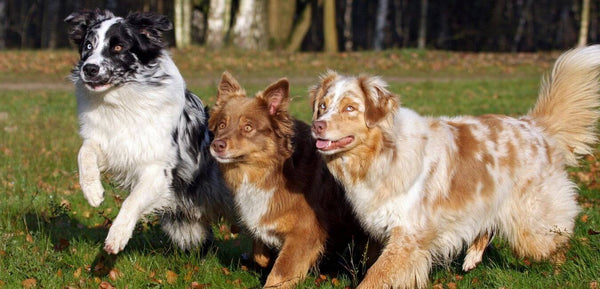
Aussie Shepherds are known for their beautiful looks. The Australian Shepherd is a medium-sized breed, typically standing between 18 and 23 inches (46 and 58 cm) tall and weighing between 35 and 70 pounds (16 and 32kg).
Australian Shepherds boast a distinctive medium-length double coat that is both functional and visually appealing. This coat is designed to protect them from various weather conditions, making them well-suited for outdoor activities and their historical role as herding dogs.
The outer coat is straight and can be somewhat coarse to the touch, providing a durable layer that repels dirt and water. The undercoat is softer and denser, offering insulation against the cold.
The hair on their legs is feathered, and their chest is adorned with an impressive mane, contributing to their regal and proud appearance. Despite its beauty, this coat requires regular maintenance. To keep their fur in optimal condition and prevent matting, Australian Shepherds should be brushed at least 2-3 times a week. Regular grooming is essential to maintain coat health. Australian Shepherds shed year-round, with two heavy shedding seasons in the spring and autumn, so more frequent brushing may be necessary to manage their high shedding levels and avoid matting. Bathing is recommended every 6-8 weeks, or
Their ears are floppy, and their tails are short. You'll find Australian Shepherds in a variety of colours, including blue merle, red merle, solid black, solid red, red merle solid black, blue merle red, and combinations often with white markings and tan points. These are all recognised colour variations in the breed standard. It's important to note that breeding two merle-patterned dogs can result in double merles, which carry a higher risk of vision and hearing impairments.
What is the personality of an Australian Shepherd?
Common traits of an Australian Shepherd include:
- Loyal
- Protective
- Energetic
- Sporty
- Loving and affectionate
The Australian Shepherd is an active breed and a classic working breed, renowned for its high energy, intelligence, and need for both physical and mental stimulation. This medium-sized dog breed loves to be busy and shares many traits with the Border Collie and many breeds in the herding group. Their strong herding instincts can influence their behaviour with family members, pets, and other pets, sometimes leading them to try to herd children or smaller animals. Aussies are friendly and affectionate with their family members, making them wonderful companions for households with children and other pets, provided they are well socialised and supervised.
Aussies are bundles of energy! To keep them happy and balanced, they will need about 1.5 to 2 hours of daily exercise, such as hiking, running, or agility training.
However, physical activity is only half the story; these smart dogs truly thrive when given a job to do. Without enough mental stimulation, like puzzle toys, obedience trials, or herding tests, they can become bored and may turn to barking or chewing to pass the time. Engaging their minds is the best way to ensure your Aussie stays fulfilled and well-behaved.
Due to their need to be busy and challenged, they are easy to train and respond quickly to commands, especially when positive reinforcement methods like treats, praise, and play are used. Training is essential to manage their intelligence and energy; without it, they may develop destructive behaviours. Aussies bond intensely with their families and can experience separation anxiety if left alone for long periods.
Australian Shepherds thrive best in homes with secure yards that allow them to safely burn off energy, though they can adapt to apartment living if their substantial exercise needs are consistently met. Their playful and adaptive temperament makes them suitable as both family pets and working dogs. From my own experience with dog ownership, understanding and meeting the needs of an Australian Shepherd is key to a happy, well-adjusted companion.
They have a natural herding instinct, which often shows in their obsessive need to round up as well as their protectiveness. They are incredibly loving and loyal, making for great careers as guide, hearing assistance, police and search and rescue dogs.
Training and Socialisation
Because Australian Shepherds are so bright and full of beans, early training and socialisation are vital. These clever dogs are remarkably quick learners who thrive on positive reinforcement, so plenty of treats, praise, and play will go a long way in strengthening your bond.
Socialising your puppy early is the best way to raise a confident, well-adjusted adult. By gently introducing them to new people, other dogs, and different environments, you can help prevent shyness or fear as they grow. Experts like the Australian Shepherd Health & Genetics Institute recommend starting this process as soon as possible to help your Aussie become a friendly, outgoing companion.
Mental stimulation is just as important as a good run. Keep your Aussie's mind sharp with puzzle toys and training games to prevent boredom-related habits like digging or chewing. As a loyal breed, they can also be prone to separation anxiety, so it is a good idea to gradually help them feel comfortable and secure during quiet time alone.
A reputable breeder will often start this foundational work, and by continuing it at home, you'll ensure your Australian Shepherd grows into a balanced, sociable, and obedient member of the family.
Grooming and Care
Australian Shepherds are famous for their beautiful double coat, which needs regular attention to stay healthy and mat-free. Their soft, dense undercoat and coarser outer layer provide excellent protection against the elements but do lead to a fair bit of shedding. To keep their coat in top condition, aim to brush your Aussie several times a week using an undercoat rake and a slicker brush. During shedding season, you might find that more frequent grooming is needed to keep the loose hair under control.
A bath every six to eight weeks is usually enough to keep their skin healthy and coat clean. Beyond the coat, remember to regularly trim their nails, clean their ears, and brush their teeth to prevent common health concerns. Reputable breeders often share tailored care routines to help new owners get off to the best start.
With proper care and a healthy lifestyle, Australian Shepherds are wonderful long-term companions, often living between 12 and 15 years. Grooming sessions are also a lovely way to bond, helping to reduce stress for both you and your dog. Staying on top of these simple maintenance tasks ensures your Aussie remains a vibrant, happy member of the family for years to come.
What are common health problems for Australian Shepherds, including hip dysplasia?
- Joint problems such as hip and elbow dysplasia are common health concerns in many dogs, including the brown Australian Shepherd. Dysplasia is a condition where a joint doesn't fit into its socket properly. While Australian Shepherds are prone to hip dysplasia, the incidence is relatively low, affecting about 6% of the breed, which is lower than many other breeds. If left untreated, this can develop into arthritis, which is quite a painful joint disease.
It may not reveal itself until later in your dog's life, so it's important to know if there has been a history of hip or elbow dysplasia in their family. Thankfully, these problems can be managed with easy-to-use supplements, weight management, vet injections and more.
- Eye problems are very common health concerns for our Aussie Shepherd friends. Australian Shepherds are prone to various inherited eye conditions, including cataracts, Collie Eye Anomaly (CEA), and progressive retinal atrophy (PRA). PRA is a significant inherited disease that causes gradual deterioration of the retina, leading to vision problems and eventual blindness. Cataracts mostly affect this dog breed between the ages of 1 and 3 but can appear as late as 7 years old, and can progress to blindness at a later stage in life.
- Collie Eye Anomaly (CEA) is another common eye disease. This can be genetically tested and good breeders will breed to try and eradicate this from their lines. It can range from minor to major with the latter also holding the potential to lead to blindness.
- Coloboma is a condition where part of a dog's iris fails to develop, resulting in the loss of part of the eye, causing great discomfort in bright light. This disease is present at birth and seen almost always in Merle-coloured Aussie Shepherds.
- Double merles, which result from breeding two merle-patterned dogs, are at a significantly higher risk of severe vision and hearing impairments, including partial or complete deafness and blindness. Ethical breeding practices are essential to avoid genetic disorders like those seen in double merles and to promote the overall well-being of the breed.
- MDS (Multiple Drug Sensitivity) is rare across dog breeds as a whole, but Australian Shepherds fall under the few breeds to suffer. MDS causes hypersensitivity to veterinary-prescribed medications – this includes medications such as heartworm tablets. The brain cannot pump the drugs out of a dog's brain, causing a potential fatality if the medication is administered.
Less common diseases in Australian Shepherds include heart disease, blood-clotting diseases, allergies and ear infections. To help manage these health concerns, a balanced diet with appropriate proportions of proteins, carbohydrates, healthy fats, vitamins, and minerals is crucial for maintaining your Australian Shepherd's health and energy. It''s important to understand the level of care this dog breed will need before welcoming them into your home. Remember that this breed''s focus is work!
Similar Herding Dogs to Australian Shepherds in Temperament & Personality Traits
Several dog breeds share similar characteristics with Australian Shepherds, particularly in terms of appearance, coat type, and temperament.
Early socialisation and ensuring your dog is properly socialised are especially important for Australian Shepherds and similar breeds, as this helps them develop good behavior and adaptability.
- One closely related breed is the Border Collie. Like the Australian Shepherd, Border Collies have a medium-length double coat that requires regular grooming. They are also highly energetic and intelligent, excelling in agility and herding activities. Early socialisation is essential for both breeds to prevent unwanted behaviours and ensure they are comfortable around people, children, and other animals.
- Another similar breed is the English Shepherd. Often mistaken for Australian Shepherds, English Shepherds have a comparable medium-length coat and are known for their versatility and working abilities. They, too, thrive in active environments where they can engage in tasks and exercises. Attending puppy socialisation classes can significantly improve an Australian Shepherd's or English Shepherd's comfort level around people and other dogs, making them more adaptable in social settings.
- The Belgian Shepherd is another breed that shares a resemblance with the Australian Shepherd. Known for their loyalty and protective nature, Belgian Shepherds have a dense double coat that is slightly longer and requires regular grooming to maintain its condition. They are also highly trainable and excel in various dog sports and work roles. Without adequate socialization, these breeds can become shy, scared, or even aggressive, so early exposure to different experiences is crucial.
- Lastly, the Shetland Sheepdog, or Sheltie, is a smaller breed with a similar coat type. Shelties have a luxurious double coat that is long and flowing, requiring diligent grooming. They are affectionate, intelligent, and energetic, making them great companions for active families. For all these breeds, play intensity and duration should be tailored to the dog's age and development stage to prevent injury and ensure proper health.

Each of these breeds shares the Australian Shepherd's need for regular grooming and an active lifestyle, making them suitable for owners who can commit to their high energy and grooming needs.
Aussie Shepherds are your perfect fit if you can keep up with their high energy, attention and overall health needs.