Dog Conjunctivitis: Symptoms, Causes, and Expert Treatment Guide
•Posted on January 22 2026
Last updated on January 28 2026


Conjunctivitis in dogs, often called pink eye, is the inflammation of the conjunctiva, the moist tissue lining the eyelids. It is commonly treated with topical antibiotics, steroid drops, or antihistamines, depending on whether the cause is bacterial, viral, or allergic. While most cases resolve within 7–14 days, immediate veterinary care is essential to rule out serious conditions like glaucoma or corneal ulcers.
What is Dog Conjunctivitis?
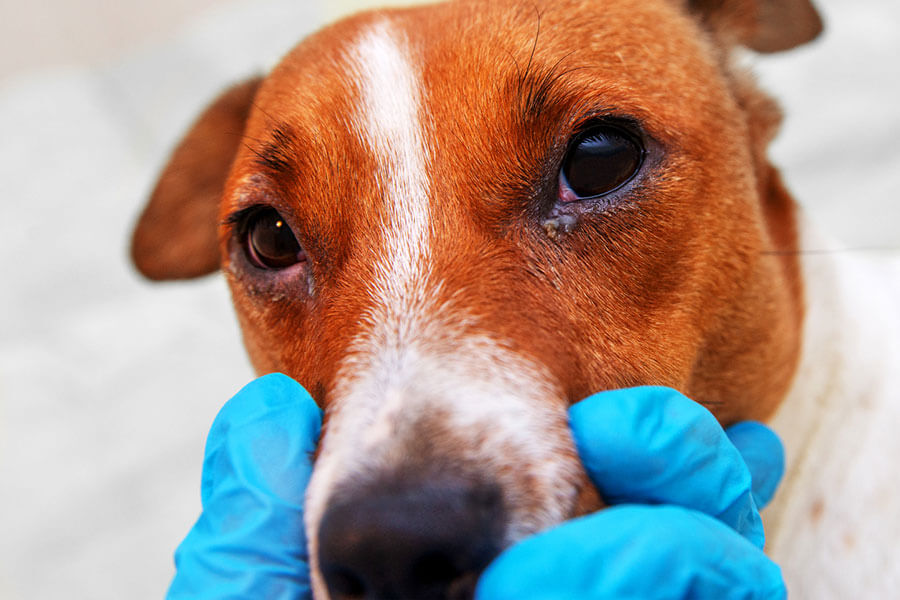
Conjunctivitis occurs when the conjunctiva, the thin, protective membrane covering the white part of the eye and the inner eyelids becomes irritated and inflamed. This condition is physically uncomfortable for your dog and often results in excessive blinking, pawing at the face, and visible redness.
While pink eye is the common term, it is important to understand that dogs and conjunctivitis cases in dogs is often a symptom of an underlying issue rather than a standalone disease. Whether caused by an environmental irritant or a contagious pathogen, early intervention is the best way to preserve your dog's long-term vision.
Symptoms of Conjunctivitis in Dogs
Recognising the signs early can prevent a minor irritation from becoming a severe infection. According to the MSD Veterinary Manual guide on conjunctival diseases, common symptoms include the following:
- Eye discharge: Can be watery (allergic), or green, yellow, or cloudy (bacterial).
- Swelling: Puffiness around the cornea or eyelids.
- Pawing or rubbing: Constant irritation leading to facial rubbing on carpets.
- Redness: The "pink eye" appearance caused by blood vessel dilation.
- Blepharospasm: Excessive squinting or spasmodic blinking.
What Causes Dog Eye Infections?
Many factors can trigger conjunctivitis in dogs. Identifying the specific cause is the first step toward a permanent conjunctivitis cure for dogs.
- Bacterial & Viral: Pathogens like Staphylococcus or Streptococcus are common, often appearing as secondary infections. Viruses like Canine Distemper can also cause significant ocular inflammation.
- Foreign Bodies: Dirt, dust, or grass seeds stuck in the eyelid.
- Dry Eye (KCS): Chronic dryness that leads to trauma and inflammation. As noted by VCA Animal Hospitals, primary bacterial infections are less common than those caused by underlying health issues.
- Allergies: Environmental triggers like pollen, mites, moulds, or household perfumes.
- Physical Trauma: Scratches from plants or other animals.

Is Conjunctivitis Contagious?
If the cause is an allergy or injury, it is not contagious. However, bacterial and viral infections can spread quickly between pets. While it rarely passes to humans, the CDC's health guidelines emphasise that washing your hands thoroughly after treating an infected animal is critical to prevent any potential cross-contamination.
Comprehensive Dog Conjunctivitis Treatment
Treating dog conjunctivitis may depend on several factors. For example, vets treat allergic conjunctivitis with ointment that contains steroids or with eye drops. Antihistamines and oral steroids may be recommended if your dog is dealing with systemic inflammation. Prevention is key to allergic conjunctivitis, so make sure your dog avoids underlying allergens. Your veterinarian might recommend food trials, environmental changes, flea preventatives and skin testing.
Topical antibiotics are used to treat bacterial conjunctivitis. In some cases, anti-inflammatory drugs and oral antibiotics might be administered, depending on the severity of the condition. Your dog might need something to boost their immune system and sometimes anti-viral or oral medicines.
Clinical Interventions
- Allergic Cases: Vets often prescribe steroid ointments or antihistamines. Prevention is key here; avoiding known allergens and using dog probiotics can help manage systemic immune responses and skin health.
- Bacterial Cases: Topical antibiotics are the standard. In severe cases, oral antibiotics may be necessary.
- Corrective Surgery: For dogs with eyelid deformities (like entropion), surgery may be the only permanent solution to prevent chronic irritation.
6 Steps to Apply Eye Medication at Home
To apply prescribed drops at home, follow these steps:
1. Clean the Eye Area
Before applying any eye drops, ensure your dog's eyes and the surrounding area are clean. Use a soft, lint-free cloth dampened with warm water to gently wipe away any discharge or debris. Avoid using harsh cleaning agents or soaps as they can irritate your dog's eyes. Keeping the area clean prevents bacteria or dirt from entering the eye during treatment, helping the medication work more effectively and ensuring your dog's comfort.
2. Position Your Dog
Securing your dog in a comfortable position is essential to prevent sudden movements during application. Sit or kneel beside your dog, holding them gently but firmly. For smaller dogs, you can place them on a raised surface. If your dog is large or fidgety, having another person assist can make the process easier. A calm and reassuring tone can help reduce your dog's anxiety, making them more cooperative.
3. Create a Pouch
To apply the eye drops effectively, pull your dog's lower eyelid downward with your thumb or fingers, creating a small pouch. This pouch ensures the medication is applied directly to the eye without spilling or missing the target. Be gentle to avoid discomfort or stress for your dog. This technique also minimises the chance of accidental injury, as the bottle or applicator will remain at a safe distance from the eye.
4. Apply the Drops
Carefully hold the dropper close to your dog's eye without touching it to avoid contamination. Administer the prescribed number of drops into the pouch you created. Be precise and quick to minimise stress. If your dog becomes uncooperative, pause and calm them before continuing. Never force the process, as it may cause distress. Once the drops are applied, step back and let your dog blink naturally to distribute the medication evenly.
5. Allow Natural Blinking
After releasing your hold, let your dog blink naturally. Blinking helps spread the medication across the surface of the eye, ensuring it reaches all affected areas. Avoid touching or rubbing your dog's eyes after administering the drops, as this can cause irritation or remove the medication. Observe your dog for a few moments to ensure the drops stay in place and that they are not immediately rubbed off by pawing or shaking.
6. Spacing Medications
If your veterinarian prescribes more than one type of eye medication, it's essential to wait at least five minutes between applications – this pause prevents dilution or interference between treatments. Always apply ointments last, as they create a protective layer over the eye. Follow the sequence and timing recommended by your vet to ensure optimal effectiveness. Adhering to this schedule will help speed up recovery and provide relief for your dog.

Canines diagnosed with eyelash or eyelid abnormalities will need surgical intervention to avoid chronic issues. Dogs with chronic dry eye will require continuous medication stimulating tear production. Don’t try to treat your dog alone by using over-the-counter medication. At this point veterinary care is necessary.
Regardless of your dog’s condition, your vet might suggest that your pet wears an Elizabethan collar until the conjunctivitis issue is resolved. Even though this collar might seem a nuisance, it will prevent your dog from making their eyes worse by scratching or rubbing.
Can you prevent conjunctivitis in dogs?
It’s possible to prevent some cases of conjunctivitis. For example, you can protect your dog from airborne irritants like perfumes, smoke and even dust. Keep up to date their vaccinations against diseases that tend to provoke conjunctivitis, like canine distemper and make sure they receive regular veterinary care.
If your pet is infected with conjunctivitis, you need to keep them away and isolated from other animals until they are healthy again. Dogs that are constantly around other animals need to have their paws and faces wiped clean every time they come home. You should wash your hands after touching your dog’s face, toys or bowls. Remember that good hygiene will keep everyone safe.
Is conjunctivitis contagious for other pets and humans?
Allergy or injury-caused conjunctivitis is not contagious. If conjunctivitis results from an infection or a virus, it can be transmitted from one dog to another. While it rarely passes to humans, the CDC's health guidelines emphasise that washing your hands thoroughly after treating an infected animal is critical to prevent any potential cross-contamination.
If you are dealing with an infected dog, it’s really important to wash your hands to prevent the spread of the infection. Don’t touch your face when near the infected dog. If you notice any signs of infection, contact your doctor immediately.
The most common dog vision problems
Cataracts in dogs
The cloudy appearance of a dog’s eyes is one of the first signs of cataracts in dogs. Early diagnosis is crucial since surgery might be able to preserve your pet’s eyesight.
Glaucoma
Glaucoma is a painful condition that can be treated. Symptoms include green or yellow discharge from their eye, bloodshot eyes, dilated pupils, or delayed reaction to blind light. If you leave glaucoma untreated, your dog may end up partially or completely blind. But the vet can perform a minimally invasive glaucoma surgery that will relieve intraocular pressure.
Progressive Retinal Atrophy
Progressive Retinal Atrophy can be challenging to detect due to its slow progression. While painless, this condition causes the deterioration of the retina, leading to blindness.
Nutrition and Supplements for Eye Health
A proactive approach to ocular health can reduce the frequency of infections. Research published in the Journal of Veterinary Internal Medicine suggests that dietary antioxidants play a significant role in maintaining canine vision.
The best dog eye health supplements improve eye health and vision, protect eye tissue and focus on retinal care. Some active ingredients you should be looking for are vitamin C, EPA+DHA, vitamin E, grape seed extract, alpha lipoic acid, rosmarinic acid, astaxanthin and green tea leaf extract, among others.
For consistent protection, the best supplement for dog eye health should include:
- Astaxanthin: A powerful antioxidant that lowers ocular inflammation.
- Lutein: Improves retinal responses and protects eye tissue.
- Omega Fatty Acids (EPA+DHA): Supports the tear film and reduces dry eye symptoms.
- Vitamins C & E: Neutralise free radicals and boost the immune system.
Best Foods for Dog Eye Health
A diet rich in antioxidants is highly beneficial for a dog’s eyesight. Unless instructed otherwise, your dog can eat these ingredients raw. To ensure good digestion, puree fruits and veggies. Incorporate these antioxidant-rich foods (pureed for better digestion):
- Blueberries: Contain flavonoids and carotenoids.
- Carrots: High in Beta-carotene and Vitamin A.
- Kale & Broccoli: Rich in Lutein and Zeaxanthin.
- Salmon: High in DHA (Deep-freeze raw salmon before serving to ensure safety).
The Benefits of Dog Eye Supplements
If for some reason your dog refuses to eat these fruits and vegetables; you need to provide proper supplementation to ensure good eye health. Conjunctivitis in dogs is a common condition in dogs. Even though it’s not life-threatening, we suggest seeking vet treatment immediately. For good ocular health, start giving your pet dog eye supplements.
- Improve vision and eye health: Omega fatty acids and antioxidants are common ingredients in eye supplements that boost vision and support different eye structures.
- Increases retinal responses: Lutein is an antioxidant commonly used in eye supplements which improves retinal responses. Canines with poor eyesight tend to have slowed retinal responses.
- Eliminates free radicals: Vitamin E and vitamin C are known for neutralising free radicals and improving eye health. They also benefit the canine’s immune system.

Frequently Asked Questions (FAQ)
How long does conjunctivitis in dogs last?
Bacterial cases usually resolve within 7 days with treatment, while viral cases can last up to 4 weeks. Allergic versions will persist until the allergen is removed from the environment.
Can I use human eye drops on my dog?
No. Human medications can contain ingredients like xylometazoline which are unsafe for pets. Always use vet-prescribed medications.
Are certain breeds more prone to pink eye?
Yes. Breeds with prominent eyes (like Pugs) or those prone to skin allergies (like Labradors and Westies) are more susceptible to irritation and conjunctivitis.
Can I treat dog conjunctivitis at home without a vet?
While you can clean the eye with saline, a vet visit is mandatory. Treating a "red eye" with steroids when a corneal ulcer is present can lead to the eye rupturing.
Key Takeaways
- Act Fast: Early treatment prevents secondary infections and permanent scarring.
- Identify Triggers: Use allergy support for dogs if your dog suffers from seasonal conjunctivitis.
- Maintain Hygiene: Wipe paws and faces after walks to remove environmental irritants.
- Prioritise Nutrition: Antioxidants and Omega-3s are the building blocks of healthy vision.
References
- MSD Veterinary Manual: Conjunctivitis in Dogs and Cats
- VCA Animal Hospitals: Bacterial Conjunctivitis in Dogs
- Journal of Veterinary Internal Medicine: Ocular Antioxidant Research
- CDC: Handwashing & Hygiene Standards